Portfolio
Nov 2019
From Data to Decisions
Turning complex operations into clear, confident action, Fewer Clicks. Stronger Control, ERP System Redesign.
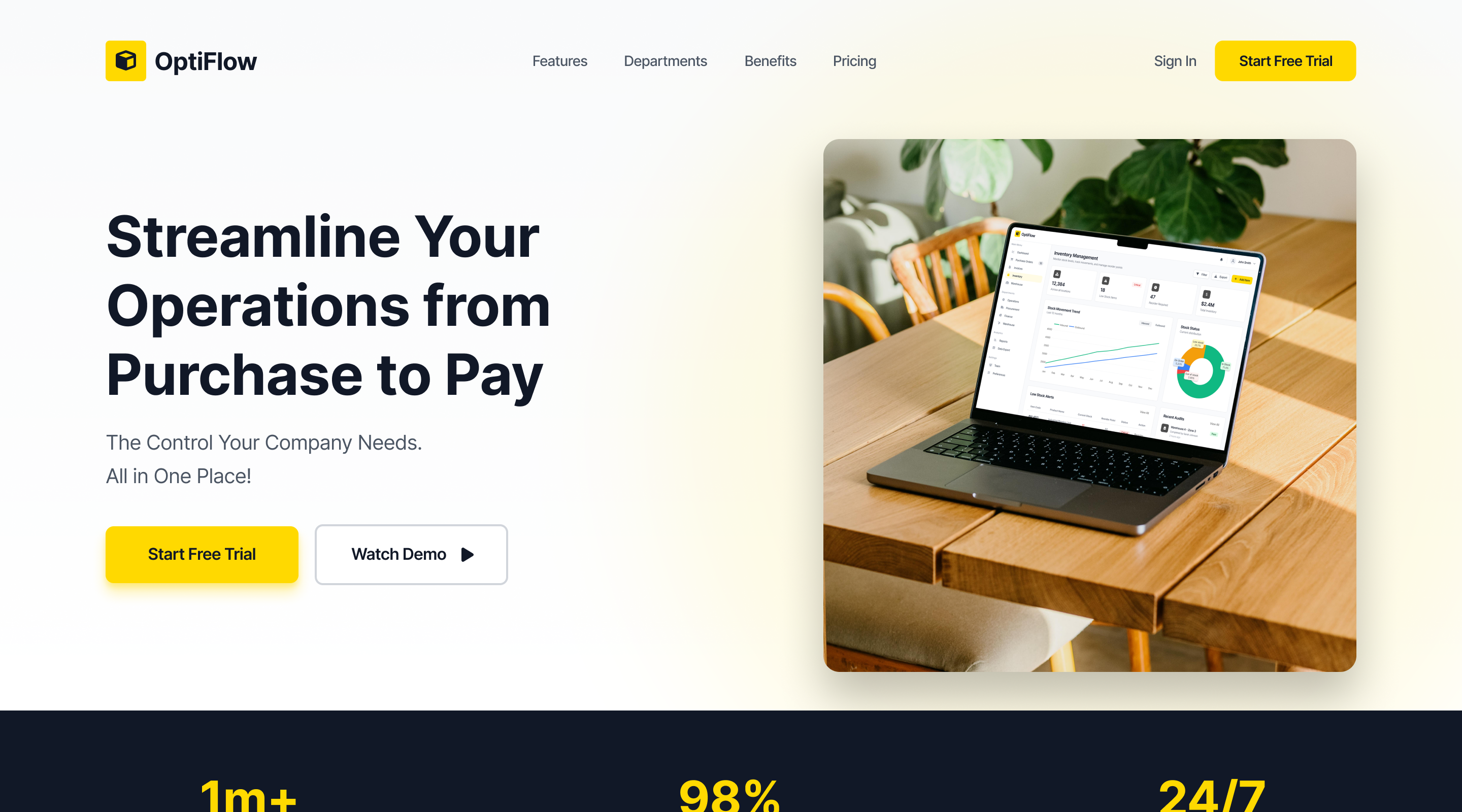
Turning complex operations into clear, confident action, Fewer Clicks. Stronger Control, ERP System Redesign.
This project reimagined a mid market ERP used by operations, procurement, finance, and warehouse teams. The goal was simple, shorten routine tasks, surface exceptions early, and build trust in the data. The scope covered purchase to pay, order to cash, inventory and warehouse movements, reporting and analytics, and an extensible design system that could support new modules without rework.
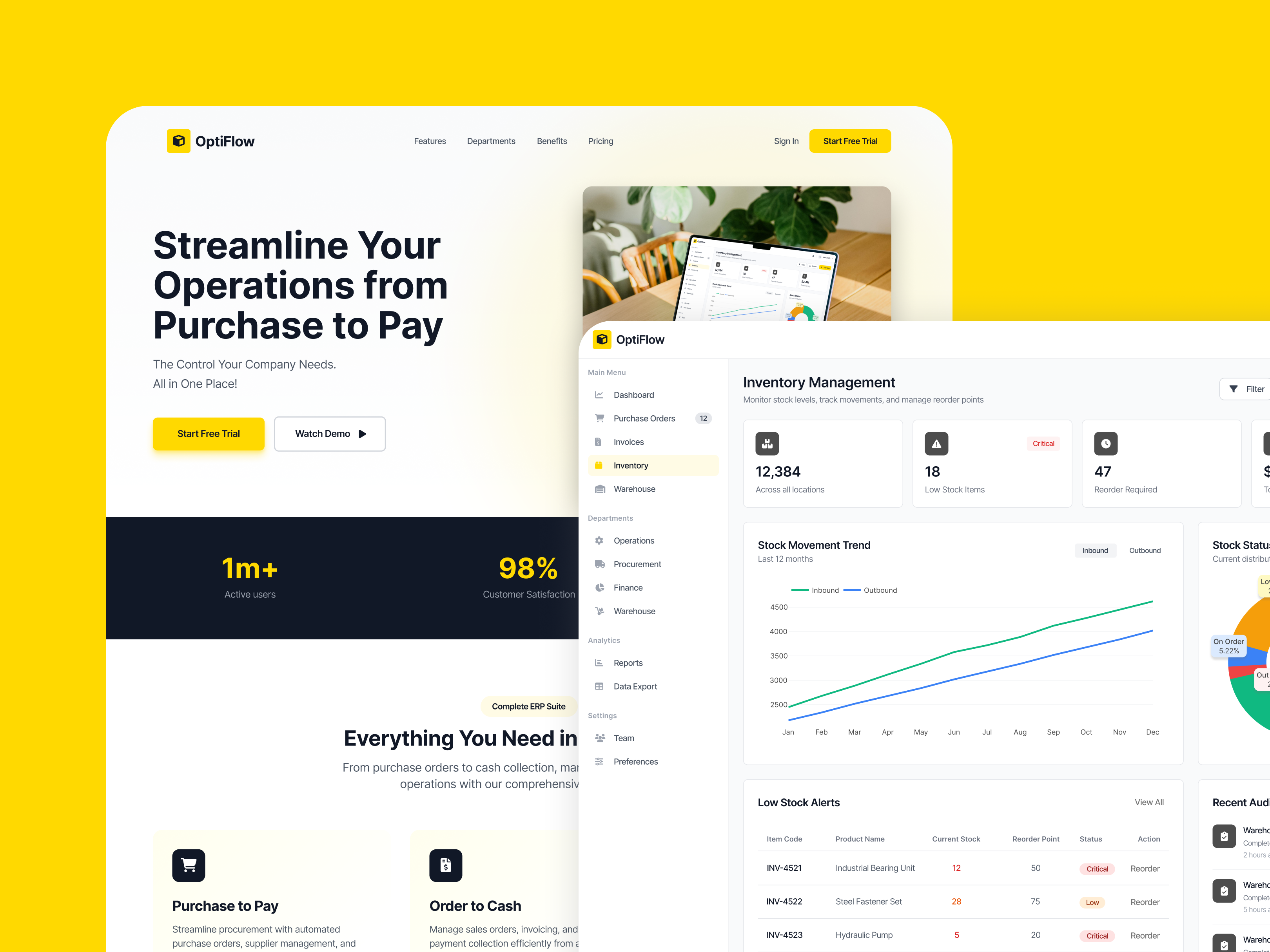
Teams lived inside fragmented modules that did not speak the same language. People reentered the same data in different places, error messages were cryptic, and peak hours felt slow. Leaders wanted higher adoption, fewer support tickets, faster onboarding, and a shorter month end close. Users wanted clarity, fewer clicks, and tools that matched the realities of shifts, approvals, and audits.
I started with shadowing sessions on the floor and at desks, followed by artifact reviews of spreadsheets, emails, and custom macros that had grown around the ERP. Journey maps and a service blueprint revealed where handoffs failed, where exceptions hid, and where latency caused rework. I translated these insights into target workflows, then built interactive prototypes for high volume tasks, for example purchase order creation, goods receipt, invoice matching, and sales order fulfillment. We ran iterative tests with warehouse operators, AP specialists, planners, and controllers, while engineering partners set performance budgets and validated feasibility for bulk operations and audits. Governance rituals kept the design system honest, so components stayed consistent across modules and roles.
One challenge: Role based permissions were deeply customized per site, which created wildly different screens for the same task. The redesign had to adapt to role and context while remaining consistent enough that training stayed short and transfers between sites did not reset muscle memory.
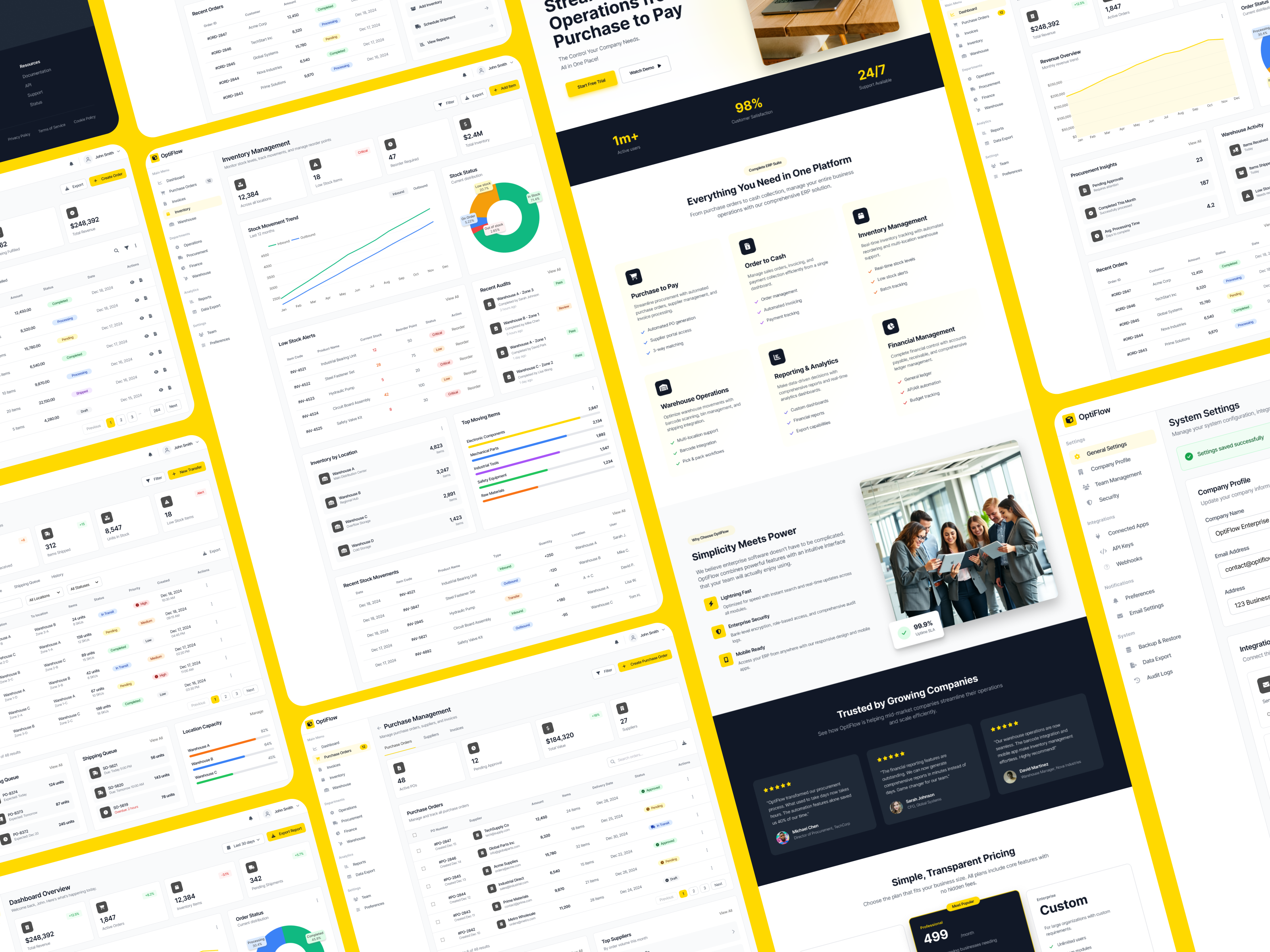
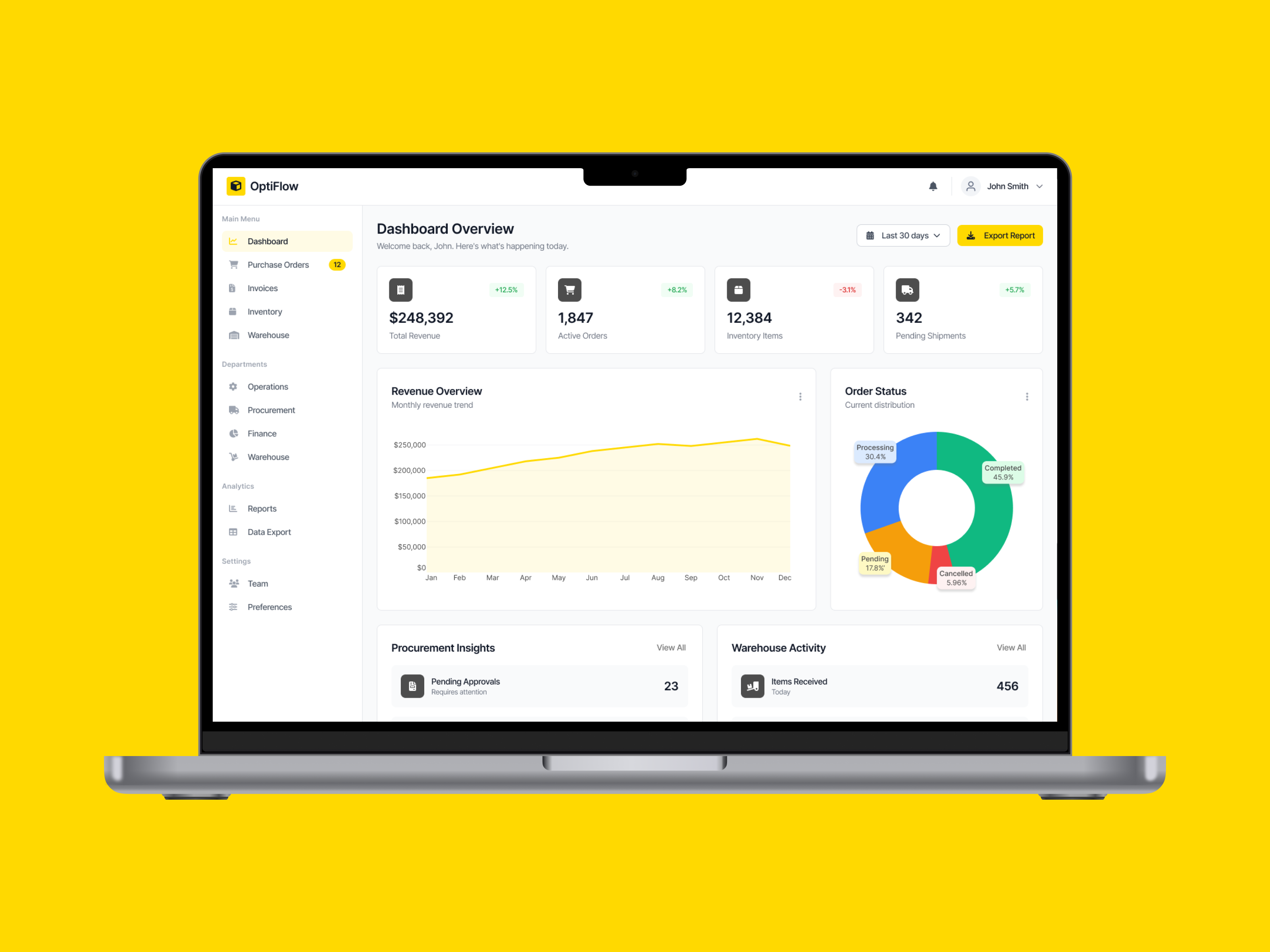
Purchase order creation time down 45% · Three way match time down 38 percent · Month end close shorter by 2 days · New user training time down 40 percent · Support tickets per 100 users down 38% · Executive dashboard satisfaction up 18 points
Navigation shifted from module centric menus to task centric entry points with smart suggestions based on role, history, and inventory state. Purchase orders gained smart defaults from vendor contracts and item records, inline validation prevented mismatched units and blocked duplicate lines, and batch actions allowed hundreds of lines to update in one step. A unified search spanned items, orders, invoices, and partners, with quick actions for common tasks. Exception queues replaced inbox hunting, so users worked from a clean list of issues, for example price variance, quantity variance, and overdue approvals, each with a guided path to resolution. Warehouse screens moved to large touch targets and full keyboard support, which lifted scanning speed and reduced miskeys. In table editing, bulk uploads, and draft saves supported long sessions without fear of data loss. Reporting shifted from static exports to saved views with filters, pivots, and shareable links, so teams aligned on one source of truth. The design system introduced tokens for color, spacing, and typography, a component library with clear focus order and keyboard behavior, and patterns for approvals, attachments, and audits. Microcopy replaced jargon with plain terms, for example, Match the invoice to the receipt and the order, then confirm the variance, which reduced hesitation during reviews. Accessibility met WCAG AA for contrast and focus, respected reduced motion preferences, and gave clear error recovery for scanners and offline moments.
Real work beats edge cases in meetings. Observing operators revealed that speed comes from fewer decisions, not from more options. Keyboard accelerators mattered as much as touch targets, since many users split time between scanners and laptops. Clear exception handling built trust, which raised adoption more than any visual refresh. Most resistance came from change fatigue, not from the workflows themselves, so early wins and role specific training were decisive. The design system paid back immediately, since new modules arrived faster and stayed consistent across sites and languages.
The redesign turned a heavy system into a reliable partner. Tasks became faster, exceptions became visible, and reports became shared truth. Teams now spend time on decisions rather than on navigation. The foundation is set for new modules, smarter automation, and richer analytics, which positions the ERP for steady gains in efficiency and accuracy over the next releases.